

When a loved one passes away, the legal steps required to settle their estate can often feel overwhelming. Probate is the process of proving a will, paying debts, and transferring assets to beneficiaries. In Houston, it also means dealing with public court filings, deadlines, and complex Texas estate laws. At Tyler & Maderer, we excel at guiding families through every aspect of Probate (whether a will exists or not), so they can get their lives back on track sooner.
Probate is required in Texas when a decedent owned real property, significant financial accounts, or when an institution requests Letters Testamentary or Letters of Administration. The overall complexity of the process may vary depending on whether there’s an applicable will.
If the deceased had a valid will naming an independent executor, Texas law permits independent administration: a more streamlined process with minimal court supervision. This approach saves time and money compared to more formal proceedings.
When no valid will exists, Texas default inheritance laws (see Texas Estates Code Chapter 201) determine heirs. This process still allows for formal probate, enabling assets to be transferred to the rightful beneficiaries.
Sometimes, complete probate isn’t necessary. Texas law offers faster, less formal options in certain situations:
This affidavit establishes a clear title to real estate. It’s used when:
A small estate affidavit can transfer certain assets, including a qualifying homestead, to the designated beneficiary. It’s available when:
Choosing the right probate attorney can mean the difference between a smooth process and costly delays. At Tyler & Maderer, we combine in-depth knowledge of Texas probate law with a compassionate, client-focused approach. Rely on us to help you:
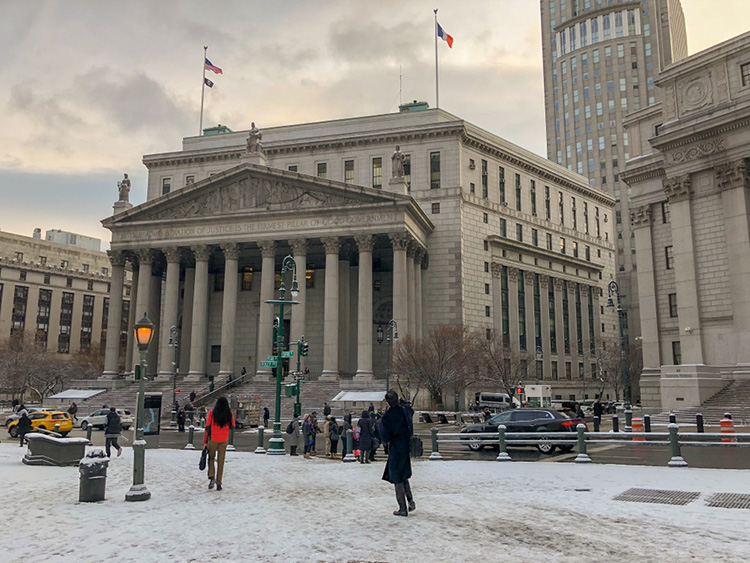
Yes. Once a will or other probate documents are filed in court, they become part of the public record.
Not every estate requires probate. Small estates, those with only non-probate assets, or estates with legal provisions like living trusts, may be able to avoid it. The type and value of assets determine whether probate is necessary.
The executor or administrator must notify creditors, settle valid debts, and use estate assets to pay them before distributing any remaining assets to the heirs. Beneficiaries are not personally responsible for the deceased’s debts unless they co-signed or guaranteed them.
In Texas, the job of an executor is to manage assets, pay debts and taxes, and ensure the estate is distributed according to the will. They must be at least 18, of sound mind, and not convicted of a felony (unless pardoned), with the court usually preferring someone who resides in the same state.
Attorney fees often range from $750–$1,500, with average court fees around $380. Costs will vary depending on the complexity of the estate.
Probate can take up to six months or longer. Contested wills, missing documents, or multifaceted estates will extend the timeline.
Take the stress and worry out of probate in Houston, TX. With Tyler & Maderer by your side, you’ll have a knowledgeable advocate to help you from start to finish. You can also come to us for matters related to SSDI, Long-Term Disability, VA Disability, Business Contracts, and more. Call today to schedule a consultation and get the clarity you need to move forward.